I did not know what to expect when I volunteered to be co-chair for the 2023 Twin Cities Veg Fest, but knew I wanted to increase my involvement in the vegan/plant-based movement. In the end, it’s a role I’m glad I took on. The 2023 festival wasn’t just a celebration of veganism; it was a testament to our work building an inclusive community and increasing awareness of the difference a plant-based lifestyle can have on the world around us.
Welcoming Exhibitors and Attendees of Color
All of us on the committee put effort into welcoming exhibitors and attendees of color. The once homogenous sea of faces has transformed into a vibrant tapestry representing a multitude of cultures and backgrounds. It was heartening to contribute to this evolution. Forty-two exhibitors, over 40% of the total, identified as Black, Indigenous, or Members of the Global Majority. From Black-owned vegan restaurants to Latinx operated food trucks, Twin Cities Veg Fest has become a platform for underrepresented voices to be heard and celebrated.
As I wandered through the various booths, I couldn’t help but notice the sense of community. Happy Lance Brunious, a jazz musician who performed at the festival this year, shared, “The festival brings people from across the Twin Cities to Harriet Island. It breaks down barriers of race and economics, bringing people together around their love of food and music.” Compassionate Action for Animals, the nonprofit that organizes the festival, has trained staff and volunteers to use a range of strategies to attract a diverse crowd. One result: the number of attendees who identify as people of the global majority has grown from 12% three years ago to more than 20% today.
Jodi with Eva at the State Nutrition Association Annual Conference
2023 was a big year for the acknowledgement of our food system’s role in climate change. The Academy of Nutrition and Dietetics’ National Nutrition Month highlighted sustainability in its yearly celebration of making informed food choices. TheIntergovernmental Panel on Climate Changereleased a report that included the need for “balanced, sustainable healthy diets acknowledging nutritional needs” as part of the climate roadmap. Organizers of COP28, the world’s most important climate conference,committed to serving “climate-conscious”food (vegan or vegetarian) and offered its first global declaration on the need for the reduction of food-related emissions.
While leaders are finally starting to acknowledge food’s role in the climate crisis, they fall short in naming the biggest culprits: the meat and dairy industries, which account for at least 14.5% of global emissions. These Big Ag industries still have a lot of power and control over the narrative therefore limiting push back from these other organizations and leaders.
If tofu is new to you, you may be surprised to know that it’s not new. Tofu has provided inexpensive, environmentally responsible and tasty protein for more than 2,000 years.
Cooking with tofu is easy, once you get familiar with the different types of tofu and find your favorite ways of preparing them.
Get to know the different types
You may have seen aseptic boxed silken tofu on the shelf. This is a Japanese style that is made by thickening soy milk into a smooth, silky block. This is the tofu you want for the delicate cubes that float in miso soup, or to puree for a vegan frittata, cheesecake, or creamy dressing.
For most applications, you’ll want to use water-packed, refrigerated tofu. It comes in soft, firm, and extra-firm varieties, and every brand has a slightly different style. It has a porous texture and can be sliced and cubed without breaking.
Pressing tofu
You may have heard that you must press the tofu, but it’s really not that fussy. To use, just drain the water and wrap the tofu in a clean towel. If you want to press, place a cutting board on top and put a heavy pot or some cans on that, balancing so that the tofu bears the weight. The more firm the tofu, the less need for pressing, as it’s already been compressed for you.
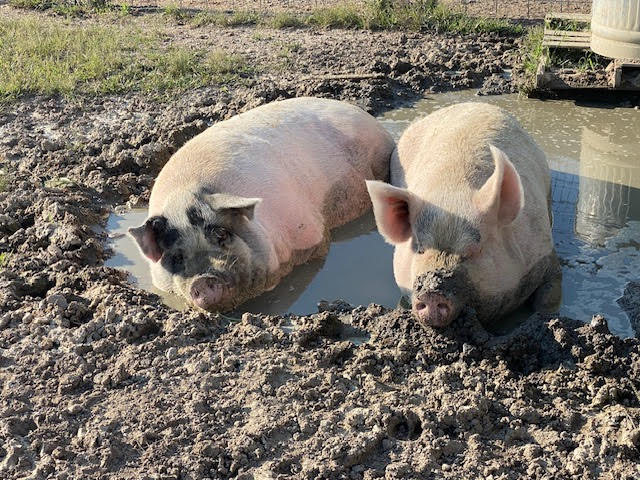
At Farmaste Animal Sanctuary in Lindstrom, Minnesota, pig sisters Violet and Ophelia enjoy space to roam, belly rubs, and their favorite foods: watermelon and pumpkin. They lead peaceful lives, but sadly, their mother experienced some of the worst abuses imaginable.
In 2016, Ophelia and Violet’s mother was rescued — along with 1,000 other individuals — from the largest farmed animal cruelty case in the Northeastern U.S. Many of the animals had no access to food or water. Dead animals were scattered among the living, and many of the surviving animals had to be euthanized due to ill health.
Shortly after her rescue, Ophelia and Violet’s mother gave birth to her daughters. Born after rescue, they are two of the few lucky pigs in the world who will only know love their whole life long.
More than 90% of pigs and all other farmed animals spend their lives trapped inside factory farms. Also known as Concentrated Animal Feeding Operations (CAFOs), factory farms are large-scale industrial facilities that mass-produce billions of animals each year for human consumption. These facilities prioritize efficiency over animal welfare. Thousands — or even tens of thousands — of animals spend their lives trapped inside a single factory farm. They lack fresh air, proper socialization, and the ability to express natural behaviors. Under these extreme conditions, animals suffer immense distress.
Soy foods such as tempeh, soy milk, soy nuts, tofu, and miso are staple items for people of all ages and cultures worldwide. Despite humans thriving on a variety of soy-based foods for centuries, misconceptions about soy are commonplace when choosing a plant-predominant diet. Even long-term ambassadors of a vegan lifestyle can feel conflicted about the benefits of soy, depending on their source of information.
Let’s explore three popular myths circulating about soy to set the record straight.
Myth 1: Soy is unhealthy.
Soybeans are an ancient food utilized in various cultures worldwide, providing a long-standing source of protein, fiber, vitamins, and minerals. The earliest documentation of the therapeutic value of soybeans, as noted in The Yellow Emperor’s Classic of Medicine, dates back over 2000 years.
Numerous scientific studies have since supported soy as a nutrient-rich food for maintaining health. Moreover, in the United States, less than 0.7% of the population is allergic to soy, making whole soybeans a healthy, accessible, and versatile food.