Prep Your Microbiome Now, Then Go Deep With Dr. Will Bulsiewicz in Person at the Community of Wellness Symposium
You know that gut health matters. But maybe you aren’t exactly sure why or how to actually care for your gut microbiome. It’s connected to everything from your immune system to your mental health to how you age.
On April 9, Dr. Will Bulsiewicz — aka Dr. B — triple board-certified gastroenterologist, three-time New York Times bestselling author, and founder of The Gut & Microbiome Center for Excellence, is coming to Rochester, Minnesota to teach his session “Gut Health for Life: Unlocking Longevity and Vitality Through Your Microbiome” at the Community of Wellness Symposium.
He’ll break down the science of the gut microbiome, which he calls your body’s “hidden command center” in a way no 60-second social media video ever could.
Dr. B has helped so many people (including me). To get you as excited as I am for his talk, I wanted to share a quick primer and take you on a tour of my kitchen. This is a shopping primer built around the foods Dr. B recommends for optimal gut health. Ideally you’ll attend the conference and come home ready to start feeding your microbiome the way it’s meant to be fed, but why wait? When you sit down in that conference room in Rochester, you’ll already have real-world experience to build on.

Why Your Gut Microbiome Deserves Your Attention
Before we talk about gut supportive foods, let’s talk about why this matters. (Much of what follows draws from one of my favorite Dr. B books, Fiber Fueled.)
Your gut microbiome is the trillions of bacteria, fungi, and other microorganisms living in your digestive tract. This isn’t just about digestion, it influences:
- Your immune system (70% of it lives in your gut)
- Your metabolism and weight (certain gut bacteria affect how you store fat and regulate blood sugar)
- Your mood and mental health (the gut-brain axis is real, your gut produces neurotransmitters like serotonin)
- Your inflammation levels (gut dysbiosis is linked to chronic inflammation and autoimmune conditions)
- How you age (microbial diversity is a marker of longevity)
Dr. B’s approach boils down to three interconnected pillars: Diversity (30+ different plant foods per week), Probiotics (fermented foods daily), and Prebiotics (the fibers that feed your beneficial bacteria). Each pillar supports the others.
He also uses a helpful acronym, F GOALS, to make it stick:
- F Fruit and Fermented
- G Greens and Grains
- O Omega-3 Super Seeds
- A Aromatics (garlic, onions)
- L Legumes
- S Sulforaphane (broccoli sprouts and other cruciferous veggies)
The good news? You don’t need exotic ingredients or expensive supplements. You just need to know what to look for.
DIVERSITY: Feed Your Microbiome With 30+ Different Plant Foods per Week
One of Dr. B’s most important findings is that people who eat 30 or more different plant foods per week have significantly more diverse gut microbiomes than people who eat fewer than 10. Microbial diversity is linked to better health outcomes across virtually every measure.
Every different plant counts — vegetables, fruits, whole grains, legumes, nuts, seeds, herbs, and spices. Basil counts. Cinnamon counts. Black beans and pinto beans count as two separate plants. I play a game with myself to see how many different plants I can get into a single meal. It’s actually fun — and something I recommend trying with kids, using ideas like the colors of the rainbow and different shapes.
Whole Grains
Most Americans cycle through the same grains on repeat white. Dr. B would really love for you to branch out. Since we live in Minnesota, the wild rice capital of the world, why not include wild rice as a grain on repeat? Look for REAL wild rice, if it says “cultivated,” “paddy” grown, or comes from California, it’s not real wild rice. Here are some truly wild brands you can trust:
Wild rice is actually a grass seed (not technically rice), packed with protein, fiber, B vitamins, and minerals. It counts as one of your 30 plants and it’s a uniquely Minnesota ingredient worth celebrating.
Other grains to rotate through: farro, quinoa, barley, steel-cut oats, millet, buckwheat. Each has a unique fiber profile and feeds different beneficial bacteria. Batch-cook 2–3 on Sunday and build bowls all week.
Jodi’s tips: Cook grains in vegetable broth instead of water for extra flavor. Batch cooked grains keep in the fridge for a week or so. Mix and match to create more diversity for your gut and palate. Check out Food52’s Vegan Wild Rice Soup by Gina Hemshaw (add brussel sprouts, it works!). This soup, made with delicious cashew cream is a hit with my kids too!
Legumes: The Fiber Powerhouses
Legumes are loaded with fiber (both soluble and insoluble), protein, resistant starch, and oligosaccharides — all of which feed beneficial gut bacteria. These include:
- Lentils: red (creamy, great for soups and dal), green/brown (hold their shape, perfect for salads), black beluga (earthy, elegant)
- Chickpeas: versatile, creamy, perfect for hummus or roasting as a snack
- Black beans: hearty and slightly sweet
- White beans: (cannellini, great northern, navy) smooth and mild, great mashed as a spread or hidden in soups to make it creamy
Keep adding a variety of other legumes like pinto, kidney, or adzuki — each type counts as one of your 30 plants for the week! Beans might cause gas at first, but that’s a sign your gut bacteria are feasting. Start with smaller portions and build up from there. Your gut will adapt.
Jodi’s tip: If beans give you gas, soak dried beans overnight and discard the soaking water. You can also cook them with a strip of kombu (a seaweed) or a pinch of asafoetida (hing). Both reduce gas-producing compounds.
Nuts and Seeds
Every nut and seed counts as a different plant too, so vary them to get the most benefits.
Seeds: chia (omega-3s, soluble fiber), ground flaxseed (grind fresh for maximum omega-3s), hemp seeds (complete protein, sprinkle on everything), pumpkin seeds (zinc, magnesium), sunflower seeds (vitamin E, budget-friendly)
Nuts: almonds, walnuts, cashews, pecans, pistachios, Brazil nuts
Jodi’s tip: I keep a jar of mixed seeds (chia, flax, hemp, pumpkin) and sprinkle it on everything. And I rotate my nut butters weekly — each one counts as a different plant.
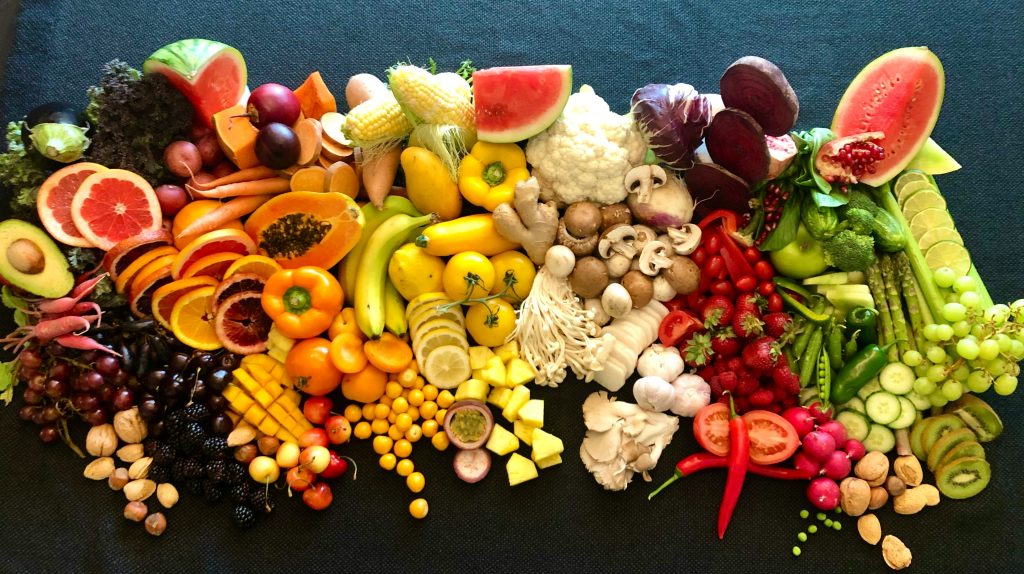
Produce: Eat the Rainbow (and the Herbs)
Vegetables, fruits, fresh herbs, and spices all count toward your 30 plants. The more color, the better.
Stock up on: dark leafy greens (kale, collards, Swiss chard, arugula, spinach), cruciferous vegetables (broccoli, cauliflower, Brussels sprouts, cabbage), colorful vegetables (bell peppers, carrots, beets, sweet potatoes), berries (polyphenol powerhouses!), fresh herbs (basil, cilantro, parsley, mint, dill), and spices (turmeric, ginger, cinnamon, cumin, oregano, black pepper).
Jodi’s tip: Buy fresh ginger and turmeric root and keep them in the freezer. Grate them frozen directly into stir-fries, soups, and smoothies — it’s easier than peeling, and each counts toward your plant diversity tally.
Populate Your Gut With Beneficial Bacteria (Probiotics)
Dr. B recommends eating fermented foods every single day. Not a little bit, but rather a meaningful serving. Research shows that people who eat fermented foods daily have increased microbial diversity, reduced inflammation markers, and improved immune function.
Unlike probiotic supplements (which often don’t survive stomach acid), fermented foods deliver living cultures in a food matrix that protects and helps them thrive.
Sauerkraut & Kimchi: Minnesota’s Fermentation Champions
Minnesota has incredible local fermenters making small-batch, raw, unpasteurized sauerkraut and kimchi.
- Fierce Ferments (St. Paul) — raw, living sauerkraut and kimchi made with organic, locally-sourced vegetables. Also, try their famous Fire Tonic (apple cider vinegar-based with garlic, ginger, horseradish, and cayenne).
- Spirit Creek Farm (Wrenshall, MN) — two organic farmers from Northern Minnesota offering 19 sauerkraut flavors, plus probiotic kraut shots and hot sauces.
- Kiss My Cabbage (Twin Cities) — hand-crafted sauerkraut, giardiniera, curtido, and kimchi made with farm-direct, organically grown vegetables.
How to use them: Add a forkful to lunch or dinner, stir kimchi into grain bowls, top avocado toast with kraut, or eat it straight from the jar. Important: Don’t heat it. Cooking kills the beneficial bacteria — add it to hot foods after cooking.
Jodi’s tip: Start with 1–2 tablespoons per day if you’re new to fermented foods. Work up to ¼ cup or more daily.
Tempeh: Minnesota-Made Fermented Protein
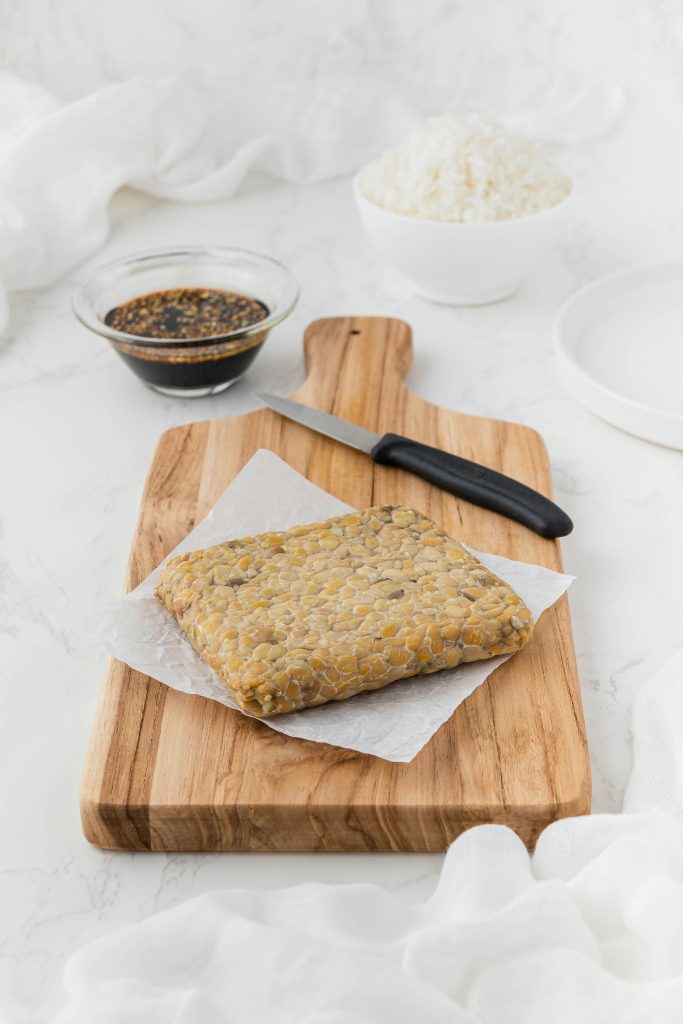
Tempeh is made from fermented soybeans which means it’s both a probiotic food AND a complete protein.
- Tempeh Tantrum (Minneapolis) — East Javanese-style, small-batch tempeh, made with local, organic soybeans. They make traditional soy tempeh AND black bean tempeh.
Jodi’s tip: If you’ve tried tempeh and didn’t like the bitterness, steam it for 10 minutes before cooking. Tempeh Tantrum is naturally less bitter than most other brands because it’s so fresh.
Miso Paste
Look for unpasteurized miso in the refrigerated section.
Jodi’s tip: try my go-to Miso-Tahini Dressing: 1/3 cup tahini, 1 tbsp fresh minced ginger, 4 minced garlic cloves, 2 tsp miso paste, 1 tbsp light soy sauce, 1 tbsp rice wine vinegar, 1 tsp sesame oil, 2 tsp maple syrup, 3 tbsp water. Mix all ingredients together for a delicious topper for salads, grains, roasted veggies, and more!
Feed Your Beneficial Bacteria (Prebiotics)
Probiotics are the beneficial bacteria. Prebiotics are the fibers that feed them. Think of prebiotics as fertilizer for your gut garden. You can introduce all the beneficial bacteria you want, but if you’re not feeding them the right fibers, they won’t thrive.
The Prebiotic Powerhouses
Alliums (garlic, onions, leeks, shallots) contain inulin, a prebiotic fiber that beneficial bacteria. Sauté as a base for soups, stews, and sauces. Each type counts as a different plant.
Jodi’s tip: Chop your garlic and let it sit for 10 minutes before cooking. This allows allicin to develop which is beneficial for heart health, reducing inflammation, and much more.
Asparagus Roast with olive oil, salt, and pepper. Add to pasta or grain bowls.
Slightly Green Bananas contain resistant starch, a prebiotic that feeds gut bacteria and improves insulin sensitivity. Once bananas ripen fully, the resistant starch converts to regular starch, so go for the greenish ones.
Oats and Barley feed beneficial bacteria and support heart health.
Cooked and Cooled Potatoes offer a cool gut trick. When you cook potatoes and let them cool, the starch transforms into resistant starch, a prebiotic that feeds beneficial gut bacteria
Jodi’s tip: Make a big batch of cooked potatoes, cool overnight in the fridge, and use all week in grain bowls or salads. For maximum resistant starch, eat them cold or at room temperature.
Polyphenol-Rich Heroes
Polyphenols are plant compounds that act as antioxidants AND feed specific beneficial gut bacteria.
- Berries (blueberries, strawberries, raspberries, blackberries) — both fresh or frozen work. Loaded with polyphenols and fiber, they are shown to increase beneficial bacteria.
- Jodi’s tip: Frozen berries are just as nutritious as fresh and often cheaper.
- Fresh herbs and spices like turmeric, ginger, cinnamon, oregano, basil, parsley, cilantro. All polyphenol powerhouses, all count toward your plant diversity goal.
- Green tea is loaded with catechins (antioxidants) and reduces inflammation.
- Jodi’s tip: If you’re not a tea drinker, add cooled green tea to smoothies. It’s undetectable with all the other flavors.
Track Your Plant Diversity This Week
How about a little homework before the symposium? Count how many different plant foods you eat in one week. Remember, we’re aiming for 30+. Keep a running list on your phone or a piece of paper on the fridge.
Research finds that people who ate 30+ different plant foods per week had significantly more diverse gut microbiomes than people who ate fewer than 10 and microbial diversity is linked to better health outcomes across virtually every measure.
I encourage you to start tracking and see where you land. If you’re at 15, great, now you know where to improve. If you’re at 35, amazing, keep it up.
Now when you join me at Dr. B’s session on April 9, you’ll have context and you’ll be ready to go deeper.
What You Can’t Learn From a Shopping List or Tracking Your Food
We can purchase the right foods and track our intake, but learning from Dr. B in person will really give you the why behind all of this in a way that transforms a handful of tips into a lifelong practice.
In his session you’ll learn:
- How your gut microbiome acts as your body’s “hidden command center” for digestion, immunity, metabolism, mood, and aging. Dr. B will unpack the mechanisms, not just the surface-level claims.
- The connection between gut inflammation and age-related diseases (diabetes, heart disease, Alzheimer’s, autoimmune conditions) and the connection to food and lifestyle
- Why dietary fiber and plant diversity are non-negotiable and the peer-reviewed research that proves it
- How lifestyle factors like sleep, stress, and exercise affect your microbiome and what to prioritize when you can’t do it all
- The truth about supplements vs. whole foods
- Practical, evidence-based strategies you can start using immediately
Dr. B is known for making complex science accessible and actionable. After his session, you’ll have the chance to ask him your questions — the ones Google can’t accurately answer for you, like:
“I have IBS, how do I add fiber without making symptoms worse?”
“I’m on antibiotics, how do I protect my microbiome?”
“My kid won’t eat vegetables, what are my options?”
That’s the value of being there in person. Direct access and real answers from one of the world’s leading gut health experts.

Event Details
Dates:
- April 8, 2026: Early registration and pre-conference social hour
- April 9–10, 2026: Full symposium
Location: Rochester, Minnesota (Mayo Civic Center area)
Ticket Options:
- Wellness Symposium (General Admission): $397
- Gala Ticket (Charity Dinner): $89
- Gala & Wellness Symposium Bundle: $476
Can’t attend in person? Recorded content will be available for purchase after the event. But if there’s any way you can be there live, do it! This opportunity is worth it.
Your Action Plan
- Go shopping this week. Buy one new grain and support local Minnesota businesses: Fierce Ferments, Tempeh Tantrum, Spirit Creek Farm, Kiss My Cabbage, and your local wild rice producers.
- Start the 30-plant challenge. Track your plant diversity for one week. See how close you get to 30.
- Add fermented foods daily. Start with a tablespoon or two of sauerkraut or kimchi with lunch or dinner. Work up to ¼ cup daily. Experiment with miso dressings. Make this a non-negotiable habit.
- Register for the symposium. Secure your spot in Dr. B’s session. Come ready to learn.
Your gut microbiome is waiting. See you there!
About the author:
Jodi Gruhn is a board-certified health and wellness coach and advocate for plant-based living through Wholesome Minnesota and Compassionate Action for Animals. She helps individuals and communities make sustainable, evidence-based lifestyle changes that promote compassion and support both personal and planetary health.