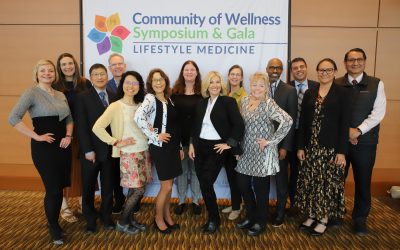
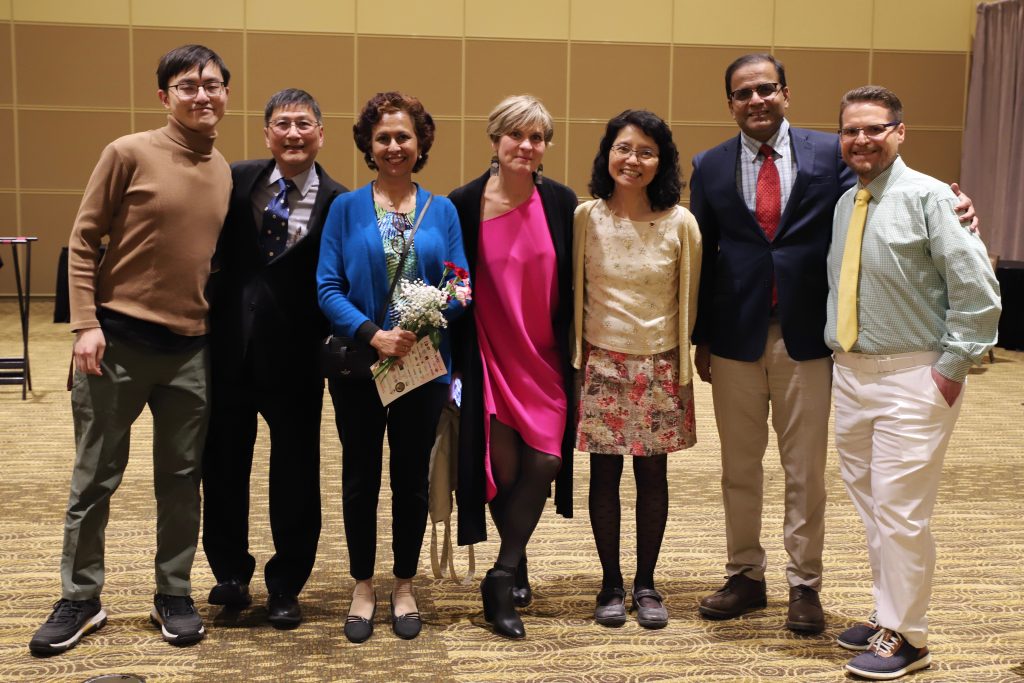
Mark your calendars for the Community of Wellness Symposium on April 9-10, 2026 in Rochester, Minnesota. Whatever your reasons for being plant-based or plant-curious, this conference will fire up your “why.” Even the President of the American Medical Association will be there!
Maybe your “why” has to do with:
- Your own health: preventing or reversing chronic disease, managing diabetes, improving gut health, losing weight sustainably
- Your family’s future: setting your kids up for a lifetime of healthy eating patterns
- The planet: reducing your environmental footprint through food choices
- The animals: living in alignment with your ethics around compassion
- Your community: fighting for health equity and food justice
My personal “why” takes into account everything listed above as I work alongside my CAA colleagues and partners to attain a plant-based option for any student who requests one in Minnesota public schools (I’ll share more about it throughout this post).
Whatever brings you to plant-based living, this symposium will equip you with the science, the strategies, and the community to make it stick and to make it matter beyond your own kitchen.
Hear from world-renowned experts in health and nutrition like Dr. Neal Barnard (founder of the Physicians Committee for Responsible Medicine), Dr. Will Bulsiewicz (bestselling author of Fiber Fueled), Brenda Davis, RD (the voice of plant-based family nutrition), Dr. Joel Fuhrman (Eat to Live), Chuck Carroll (host of The Exam Room podcast), and more.
Even Dr. Bobby Mukkamala, President of the American Medical Association, will be there. What does that tell you about the quality and credibility of this conference? To me, it signals that plant-based nutrition isn’t fringe, that it’s evidence-based medicine at the highest level.
These experts can help you personally — whether you’re optimizing your own health, supporting your family, or building your larger fight against the detrimental effects of animal agriculture on our health, the planet, and animals.
How the Community of Wellness Symposium Supports Thriving Kids
Minnesota made history in 2023 when we became one of the first states to offer universal free school meals. Every child, regardless of family income, can now walk through the lunch line and get a hot meal. In theory, that meant reduced paperwork, no stigma, and no hungry kids.
It was a monumental victory.
But for many Minnesota families, that victory rings hollow because their children still can’t eat what’s being served.
Right now, HF 2764 & SF 2970, legislation requiring plant-based meal options upon request in K-12 Minnesota public schools, are waiting for a hearing. These bills would change everything for Minnesota families. But legislators need to hear from constituents NOW.
That’s where you come in.
Our fight for plant-based school meals may extend into future legislative sessions. Or maybe you’re interested in getting plant-based into senior living, hospitals, colleges/universities or daycares. How better to arm yourself than by surrounding yourself with the world’s leading experts on plant-based nutrition as we fight for options that meet everyone’s needs?
On April 9-10, 2026, those experts will be in Rochester, Minnesota, at the Community of Wellness Symposium. This conference delivers research, evidence, and practical strategies that prove plant-based diets support children’s growth, health, and academic performance and adults’ longevity, vitality, and disease prevention. This will be my third year attending this conference and I can attest to the quality and the accessibility of the information. You don’t need to be a health professional to understand the content, just an interested, curious person.
This is your chance to:
- Arm yourself with evidence you can bring to your school board, your legislators, your doctor, your skeptical family members, or your own decision making
- Ask direct questions to the experts who write the books on plant-based nutrition
- Connect with other Minnesotans fighting for the same changes whether that’s school policy, healthcare access, environmental justice, or personal transformation
We need as many voices as we can rally while the legislative session clock is ticking and the opportunity to learn from this caliber of experts is rare to find in Minnesota.
Real Stories From Minnesota Families
Back to my “why:” plant-based school meals. Let me share what Minnesota families are experiencing right now.
Abandoned Values: Despite being raised plant-based, my own children have abandoned our family’s nutrition choices at school because the options don’t exist. I’ve spoken to hundreds of parents facing the same struggle — the daily burden of packing lunches, the added cost, and their children feeling excluded.
Religious Freedom: A senior at Eagan High School practices the Jain religion, a belief system rooted in non-violence that prohibits meat, fish, and eggs. When she goes through the lunch line, the “vegetarian” options contain animal products. She cannot access the free lunch program her family’s tax dollars support. Around 70% of Minnesotans identify with a religion (Pew Research Center) — Muslim students who eat Halal, Jewish students who keep Kosher, Hindu students with dietary restrictions, Christian students observing Lent. Plant-based meals are the most inclusive option to fit all of these restrictions.
Family Budgets: One South Washington County mother wrote: “Due to a lack of plant-based options, my kids do not eat school lunches. We pay at least $7 per day — $1,245 per school year [on lunches]. Over three years, that’s $3,735 more than families who can participate. We are not rich folks.”
Learning Impact: A Minnesota pediatric clinician wrote: “When students cannot access meals that meet their needs, the impact shows up immediately in their health and in the classroom. I care for children with allergies, ADHD, sensory challenges, and food sensitivities — and for many, the standard school meal simply isn’t something they can safely eat. When these students go hungry, their ability to concentrate drops.”
Actual Benefits to Minnesota Agriculture: One market farmer wrote: “This legislation opens opportunities for farmers who grow beans, grains, vegetables — crops that can supply school meals. Minnesota is the #1 producer of food-grade soybeans in the nation. This bill supports Minnesota agriculture.”
Families are paying a penalty for their beliefs, their health needs, and their values. Minnesota is losing out on revenue by not serving more plant-based options in schools.
What’s Happening in the U.S. and Why It Matters to All of Us
What we feed kids today becomes the chronic disease burden of tomorrow.
- 1 in 5 American children is obese. Rates have tripled since the 1970s.
- 1 in 3 children born after 2000 will develop type 2 diabetes in their lifetime.
- Food allergies, asthma, ADHD, and autoimmune conditions in children are all on the rise.
The National School Lunch Program serves over 30 million children every day. But the 2025 Dietary Guidelines, which govern school nutrition standards, have moved in the wrong direction, despite clear evidence linking plant-based eating to disease prevention. Industry lobbying continues to shape what our children are fed. These students grow into adults, and these diseases follow them. We’re not just fighting for students now, we’re fighting for their future. Many of us are also fighting for our own health, trying to reverse decades of damage from following the very guidelines that prioritized industry profits over public health. The Center for Science and Public Interest published what evidence-based dietary guidelines would look like without industry intrusion.
Brenda Davis, expert in child nutrition, is a speaker at the conference. She and her colleagues have spent decades proving that children on well-planned plant-based diets:
- Have healthier body weights
- Have better cardiovascular markers
- Have lower rates of type 2 diabetes
- Have higher intakes of fiber and key vitamins
- Develop lifelong healthy eating patterns
And adults who adopt plant-based diets experience:
- Reversal of type 2 diabetes (Dr. Barnard’s specialty)
- Improved gut health and immunity (Dr. Bulsiewicz’s work)
- Weight loss without calorie counting (Dr. Fuhrman’s research)
- Reduced risk of heart disease, cancer, and Alzheimer’s (all)
We can do better and the Community of Wellness Symposium shows us how.
Meet the Experts
This symposium brings together the world’s leading voices on plant-based nutrition not just to inspire you, but to arm you with evidence you can use in advocacy, in your own health journey, and in conversations with skeptics.
Dr. Neal Barnard, MD, FACC
Founder of the Physicians Committee for Responsible Medicine, Dr. Barnard has conducted groundbreaking clinical trials on reversing type 2 diabetes through diet. His research has been published in JAMA and other major medical journals. He’ll teach you the evidence linking nutrition to longevity, vitality, and cognitive health—critical whether you’re optimizing your own brain function or advocating for better school meals that support children’s learning.
Why he matters: When legislators or doctors ask “Where’s the science?” you cite Dr. Barnard’s peer-reviewed research published in the world’s most prestigious medical journals.
Explore more at pcrm.org
Dr. Will Bulsiewicz, MD (“Dr. B”)
Triple board-certified gastroenterologist and bestselling author of Fiber Fueled, Dr. B is the leading voice on gut microbiome health. He’ll show you how your gut is your “hidden command center” for immunity, metabolism, mood, and aging — and how to optimize it through food.
Why he matters: Gut health connects to everything — from kids’ ability to focus in school to adults’ risk of chronic disease. His research gives you the “why” behind plant diversity, fermented foods, and fiber.
Explore more at theplantfedgut.com
Brenda Davis, RD
With 13 books and 40 years of experience, Brenda is the definitive authority on plant-based nutrition across the lifespan. She’ll address insulin resistance, cognitive health, and muscle mass — concerns that span from childhood growth to aging adults trying to maintain strength and independence.
Why she matters: When someone says “plant-based diets are unsafe for kids” or “you can’t build muscle on plants,” Brenda has decades of data proving otherwise.
Explore more at brendadavisrd.com
Dr. Joel Fuhrman, MD
Author of Eat to Live, Dr. Fuhrman’s research on nutrient density and disease prevention has transformed how we think about food as medicine.
Why he matters: His work bridges personal health optimization and public health advocacy — showing how the same dietary principles that reverse disease in individuals can transform population health when applied systemically (like in schools).
Explore more at drfuhrman.com.
Chuck Carroll
Host of The Exam Room podcast from PCRM, Chuck is a master communicator who makes complex nutrition science accessible and compelling.
Why he matters: Learning the science is one thing. Communicating it effectively to skeptical family members, resistant school boards, or undecided legislators is another. Chuck is a master communicator and shares how you can win over the most skeptical people.
Explore more at The Exam Room podcast.
Dr. Bobby Mukkamala, MD — President of the American Medical Association (AMA)
Dr. Mukkamala’s presence at this symposium sends a powerful message: plant-based nutrition isn’t fringe. It’s mainstream evidence-based medicine.
Why he matters: When opponents claim plant-based eating is extreme, you can point to the AMA President’s participation in this symposium.
Explore more at American Medical Association
Jonathan and Phefelia Nez — Former President and First Lady of the Navajo Nation
Jonathan and Phefelia’s work on food sovereignty, Indigenous health, and addressing food deserts brings critical perspectives on health equity.
Why they matter: Plant-based advocacy must be inclusive and culturally responsive. Their insights ensure we’re fighting for solutions that serve all communities.
Explore more at Navajo Nation, Navajo Nation Department of Health and Native American Food Sovereignty Alliance
Your Next Steps
STEP 1: Register for the Symposium
lotushealthfoundation.org/wellness-symposium-gala
Cost: $397 (symposium), $89 (gala), $476 (bundle)
What’s included:
- 2 days of expert sessions
- All plant-based meals (so you can see what’s possible)
- Networking opportunities
- CME credits (if you’re a healthcare professional)
- Recordings of all sessions
Can’t afford it? Consider:
- Asking your employer for professional development funding
- Carpooling to Rochester
- Registering for one day instead of two

STEP 2: Call Your Legislators (This Is Urgent)
Use this script or create your own personal version:
“Hi this is <full name>. I live at <full address>. I just emailed so I’m following up to make sure you saw that. As your constituent, I am calling to make sure you are getting my bill into the Ed Policy committee before Friday, March 27th’s deadline. The bill numbers are SF2970 and HF2764, Plant-Based School Meal Option. This is an important issue to me because… <personal story>. We worked so hard getting 39 bi-partisan bill authors, do not let this bill die. Pass this bi-partisan bill. Thank you.”
Join Us at the Symposium and the Plant-Based Movement!
Don’t wait for someone else to create the change you want to see — in schools, in healthcare, in your own body, in your community. This conference is a rare opportunity to tap into the leading health experts in our movement.
Show up. Learn. Connect. Act.
See you in Rochester!
About the Author:
Jodi Gruhn is a board-certified health and wellness coach and lead advocate for HF 2764 & SF 2970 through Wholesome Minnesota and Compassionate Action for Animals. She’ll be at the symposium with advocacy resources for anyone ready to fight for school nutrition equity—or simply ready to transform their own health.
TAKE ACTION:
1. REGISTER FOR THE SYMPOSIUM
2. CALL YOUR LEGISLATORS (urgent- school meals)
3. Follow @lotuhealthfoundation or updates
4. Share this post with someone who needs to hear it