A guest post by a CAA community member who wishes to remain anonymous out of safety
I’m not sure how it all began. The memory of the beginning is blurred in my mind. I am not aware of the exact moment when my body began to fill with anxiety and fear as I opened my eyes in the morning. Perhaps it was the day when, while enjoying a walk with my dear dog, a woman approached me to record me and demand my “papers,” shouting and cursing in my face that I had no right to be in the park. As I looked into her eyes, I saw an incomprehensible hatred, while around me, bystanders walked past, watching me as if I were an alien emerging from the bushes. How deeply dehumanizing that moment was.
From that moment on, leaving the house filled me with anguish, despite having “done things right” and being “legal.” I became uncomfortable speaking out loud in public spaces, afraid of “bothering” others with my accent. I cannot imagine the terror that people who were denied the opportunity to do things “right” must feel in their daily lives. The fear of not knowing who might be offended by your appearance, the tone of your skin, or the accent of your words is always present — an unrelenting reminder that you are under constant threat simply for being who you are.
Time passed. Christmas came, then the New Year, but everything felt different. Something in my body felt neither hopeful nor excited about starting a new chapter in my life; when I looked inward, there was only fear. And in the blink of an eye, I found myself living a pandemic-like déjà vu — forced once again to live confined, hidden, as if I were a criminal, when my only “mistake” was having been born in another country and being embraced by the rays of sun that give color to my skin.
My daily life became a living hell. The danger in the streets is not a virus, but an ideology made flesh — one that has a face, a body, and a uniform. What for my light-skinned neighbors is an ordinary day is, for me, filled with panic attacks triggered by the slightest unusual sound behind the windows and doors of my home. The sound of cars approaching turns my stomach and makes me cry.
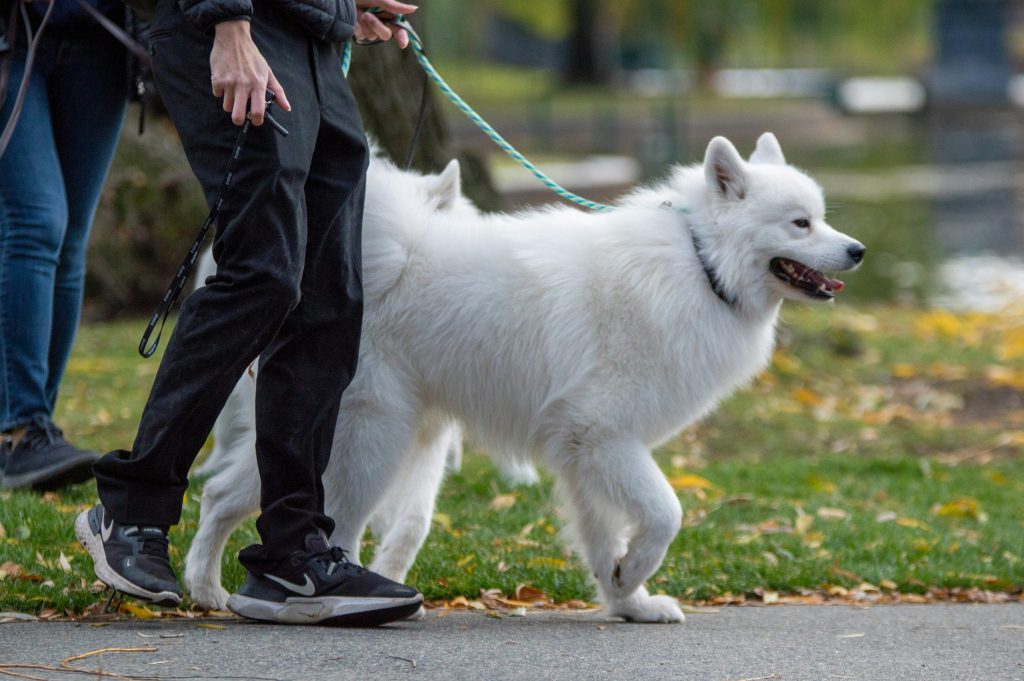
I can no longer give my dogs a normal life. What would happen if I were detained while walking them? Would they be killed for trying to defend me? Would they be left on the street, in the middle of winter, at risk of being run over, or of getting lost in the woods and dying of cold or hunger? Just thinking that my dogs are in danger simply for sharing their lives with someone like me breaks my heart into a thousand pieces. For safety, we are confined 24/7. Food that cannot be obtained online must be rationed, because I don’t know when it will be safe to go outside again.
And yet, there are still unresolved questions: will I be able to do anything to protect my family from the danger in the streets? How could I protect them if that danger were to break violently into my home? What will happen when my medications run out and I have to go pick them up? I don’t know.
A deep fear now lives with me like a shadow, like an unwanted guest with no departure date: will I see the warm beauty of my mother up close again? Will I once more enjoy my father’s innocent smile?
Yet within all this chaos, there is a measure of clarity. Ideologies of hatred and segregation are born and sustained in hearts that suffer, that feel alone, and that seek affirmation within unstable communities. This did not begin in January 2026, nor with my unpleasant encounter in the park in mid-2025; it is the historical product of injustices intertwined with ignorance and despair. I ask myself whether my actions and thoughts ever contributed, in any way, to justifying violence and discrimination, such as when I normalized the unjustifiable consumption of other animals’ bodies for my own pleasure.
For as long as cages exist, there will be deprivation of freedom. As long as we find excuses to justify our superiority over other individuals, it will be easy for us to look away when someone places their own interests above the lives, dignity, and well-being of others. As long as we remain neutral, we contribute to the suffering of others. A fulfilled and loved heart has no time to wish harm upon others; a heart that knows the beauty of unity wishes desolation upon no one and does not advocate for segregation.
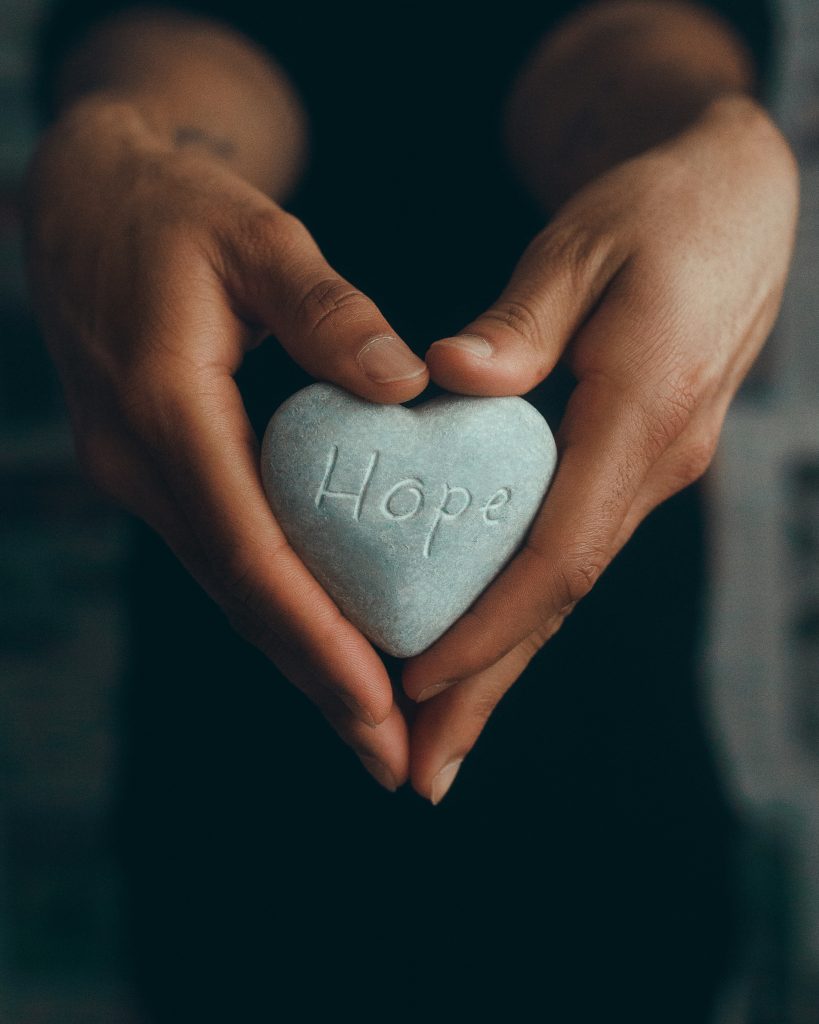
In times of crisis, resistance is not about striking back. Resistance is about rebuilding our communities, rebuilding ourselves, and refusing to take part in any act involving violence, exploitation, discrimination or abuse of any kind — regardless of the form of the victim’s body. Let us begin practicing connection beyond our screens: make eye contact with those around you, offer them a smile, wish them a good day. If you have a few spare minutes, ask how they are feeling; if you have a neighbor who may be in danger, ask if they need help and how you can support them.
Always give what you would like to receive — no less. Embrace your family and friends and make sure they do not feel alone or misunderstood.
True change begins within ourselves, but it becomes real when it is no longer just one of us, but thousands and millions of people moving toward the same destination. Become the world you wish to live in.
Editor’s note: This post is part of a series of perspectives we are sharing to show how recent ICE activity has affected our community. From volunteers and donors afraid to leave their homes and come to events, and businesses closing or chaining hours to protect staff members, to activists who are involved on the front lines, we will continue to amplify these voices and share experiences. If you have stories to share, feel free to reach out! If you are looking for resources for yourself or wondering how to help, check out this post on the topic. What follows below is the author’s original version, in Spanish.
No tengo claro cómo comenzó todo. El recuerdo del principio está borroso en mi mente. No soy consciente de en qué momento mi cuerpo comenzó a llenarse de ansiedad y temor al abrir los ojos por la mañana. Quizá fue el día en que, disfrutando de un paseo con mi perrito, una mujer se acercó a grabarme y a pedirme mis “papeles”, y a gritarme a la cara que yo no tenía derecho de estar en el parque, mientras observaba en sus ojos un odio incomprendido y, a mi alrededor, testigos pasaban de largo viéndome como si fuera un alienígena que salió de entre los arbustos. Fue un encuentro deshumanizante.
A partir de eso, me angustiaba tener que salir, a pesar de haber “hecho las cosas bien” y ser “legal”. Me incomodaba expresarme en voz alta en lugares públicos, por el temor a “incomodar” con mi acento. No imagino el terror que las personas que carecieron de oportunidades para hacer las cosas “bien” sienten en su día a día. El miedo a no saber quién puede molestarse por tu apariencia, el tono de tu piel o el acento de tus palabras está siempre presente, como el recordatorio incesante de que estás bajo acecho.
El tiempo pasó; vino Navidad, el Año Nuevo, pero todo se sentía distinto. Algo en mi cuerpo no estaba esperanzado ni emocionado por empezar un nuevo capítulo en mi vida; cuando miraba dentro de mí, solo había miedo. Y, en un parpadear de ojos, ya me encontraba en un déjà vu pandémico: tener que volver a vivir encerrada, escondida, como si fuera un criminal, cuando mi único “error” fue haber nacido en otro país y ser abrazada por los rayos de sol que dan color a mi piel.
Mi día a día se convirtió en un infierno. El peligro en la calle no es un virus, sino una ideología materializada en una pesadilla que tiene rostro, cuerpo y uniforme. Lo que para mis vecinos de piel clara es un día normal, para mí está plagado de ataques de pánico como consecuencia del más mínimo ruido inusual tras las ventanas y puertas de mi casa. El sonido de los carros acercándose revuelve mi estómago y me pone a llorar.
Ya no puedo darle una vida normal a mis perros. ¿Qué pasaría si me detienen mientras camino con ellos? ¿Los matarían por intentar defenderme? ¿Los dejarían en la calle, en pleno invierno, bajo riesgo de ser atropellados o perderse en el bosque y morir de frío o hambre? El solo pensar que mis perros están en peligro solo por compartir su vida con alguien como yo me rompe el corazón en mil pedazos. Por seguridad, estoy encerrada 24/7. La comida que no se puede conseguir en línea se tiene que racionar, pues no sé cuándo será seguro volver a salir.
Pero aún hay cosas por resolver: ¿qué pasará cuando mis medicamentos se terminen y tenga que salir a recogerlos? ¿Qué pasará si me enfermo de tanta ansiedad y miedo? ¿Estaré segura si salgo a buscar atención médica? Hay un temor profundo que ahora vive conmigo como una sombra, como un huésped no deseado que no tiene fecha de salida: ¿volveré a ver de cerca la belleza cálida de mi madre? ¿Volveré a disfrutar la sonrisa inocente de mi padre? ¿Podré hacer algo para proteger a mi familia del peligro en las calles? ¿Cómo podré protegerlos si el peligro irrumpe a golpes en mi casa? No lo sé.
Pero dentro de tanto caos hay algo de claridad. Las ideologías de odio y segregación nacen y se sostienen en corazones que sufren, que se sienten solos y que buscan afirmación dentro de comunidades inestables. Esto no comenzó en enero de 2026 ni con mi encuentro desagradable en el parque en 2025; es el producto histórico de injusticias entrelazadas con ignorancia y desesperación. Me pregunto si alguna vez mis acciones y pensamientos contribuyeron a justificar la violencia y la discriminación de alguna forma, como cuando normalizaba el consumo injustificable de los cuerpos de otros animales por mi propio placer.
Pues mientras existan jaulas habrá privación de la libertad. Mientras encontremos excusas para intentar justificar nuestra superioridad sobre otros individuos, nos será fácil pasar de largo cuando alguien sobreponga sus intereses sobre la vida de otros. Mientras permanezcamos neutrales, contribuiremos al sufrimiento de otros. Un corazón feliz no tiene tiempo para desear el mal a otros; un corazón que conoce la belleza de la unión no le desea la desolación a nadie ni aboga por la segregación.
En estos momentos de crisis, la resistencia no es contraatacar. La resistencia es reconstruir nuestra comunidad, reconstruirnos a nosotros mismos y dejar de ser parte de cualquier acto que involucre violencia, explotación y abuso de cualquier tipo, sin importar la forma del cuerpo de la víctima. Empecemos a practicar la conexión fuera de las pantallas: haz contacto visual con las personas a tu alrededor y regálales una sonrisa, quizá deséales un buen día. Si tienes un par de minutos libres, pregunta cómo se sienten; si tienes un vecino que pueda estar en peligro, pregunta si necesita ayuda y cómo puedes ayudar. Abraza a tu familia y amigos, y asegúrate de que no se sientan solos o incomprendidos. Siempre da lo que te gustaría recibir, no menos. El verdadero cambio empieza dentro de nosotros mismos, pero se materializa cuando ya no solo se es uno, sino miles y millones de personas en movimiento hacia un mismo destino: conviértete en el mundo en el que deseas vivir.